What to see in Trier!
Trier, Germany’s oldest city, is known for its rich history and beautiful architecture.
Here are the five most beautiful buildings not to be missed while visiting Trier:
#5 Kurfürstliches Palais (Electoral Palace).
Description:
The Kurfürstliches Palais is a Baroque palace built in the 17th and 18th centuries as a residence for the electors and archbishops of Trier. The palace, located next to the Kaiserthermen, is one of the finest examples of Baroque and Rococo architecture in Germany. The facade of the palace, with its pink and white colors, is richly decorated with sculptures and decorative details. Why special:
The palace is surrounded by beautiful gardens and is known for its opulent rococo interior, with elegant halls, chandeliers and works of art. It is often considered one of the most beautiful Baroque palaces in Germany. Today it serves as an administrative building, but its gardens and façade remain a popular tourist attraction, especially because of the palace’s harmonious combination with the adjacent Roman ruins of the Kaiserthermen.

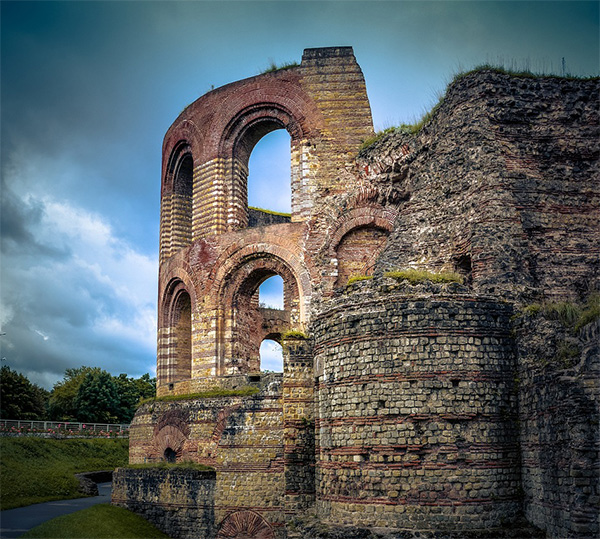
#4 Kaiserthermen (Imperial Thermal Baths).
Description:
The Kaiserthermen are the ruins of a huge bathhouse complex built in the 4th century by Emperor Constantine the Great. The thermal baths were part of a large Roman imperial complex and were designed to serve the comfort of the imperial elite. Although the bathhouse was never fully operational in its original form, the remains remain impressive. Why special:
The Kaiserthermen offer fascinating insight into Roman bathing culture and the technological innovations of the time, such as underfloor heating and intricate water supply systems. Visitors can wander through the underground tunnels and bathing rooms and imagine what the baths must have looked like during their heyday. It is one of the largest Roman bathing complexes outside Italy and a testament to Trier’s importance in the Roman Empire.
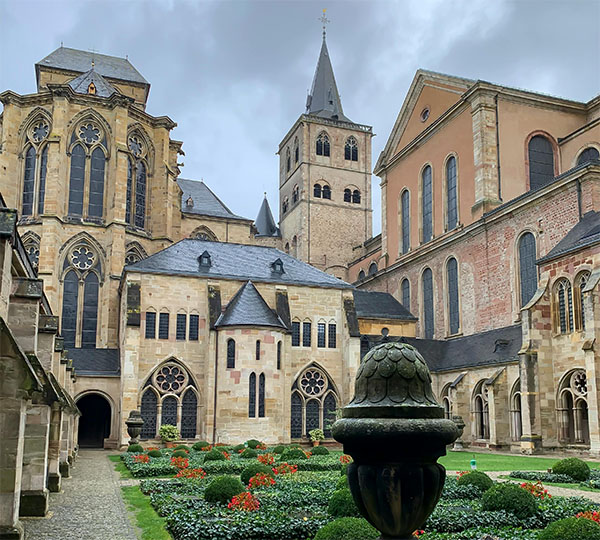
#3 Liebfrauenkirche (Church of Our Lady)
Description:
The Liebfrauenkirche, located next to Trier Cathedral, is one of the earliest Gothic churches in Germany and was built in the 13th century. The building has a cruciform plan (Greek cross) and is architecturally unique for its combination of Gothic pointed arches, aerial arches and intricate buttresses. Why special:
The church is a masterpiece of Gothic architecture and is known for its high vaults and beautiful stained glass windows depicting scenes from the life of Mary. Its harmonious proportions and symmetrical design make the Liebfrauenkirche one of the most beautiful Gothic churches in Europe. It is also a UNESCO World Heritage Site and is known for its serene atmosphere and spiritual significance.
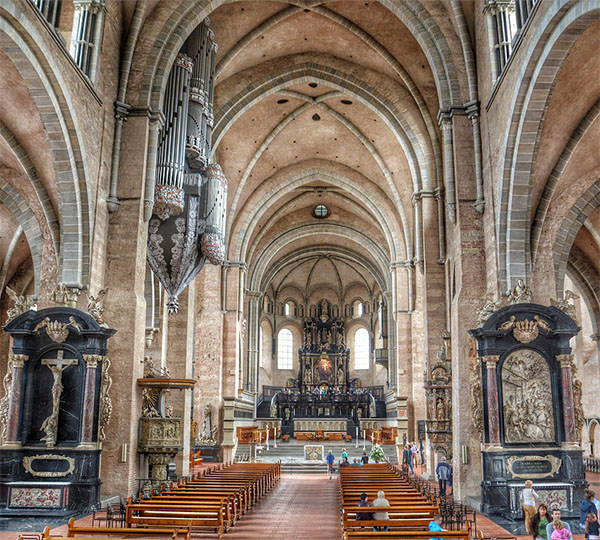
#2 Cathedral of Trier (St. Peter’s Cathedral)
Description:
Trier Cathedral, dedicated to St. Peter, is the oldest cathedral in Germany and a UNESCO World Heritage Site. Construction began in the 4th century under Emperor Constantine the Great, on the foundations of a former Roman imperial residence. Over the centuries, the cathedral has been expanded and renovated, with elements in Romanesque, Gothic and Baroque styles. Why special:
The cathedral houses a wealth of artwork and relics, including the Holy Tunic, said to have been worn by Jesus. The impressive interior is decorated with beautiful mosaics, sculptures and paintings. Together with the adjacent Liebfrauenkirche, the Cathedral forms a unique ecclesiastical complex that reflects Trier’s importance as a religious center in the Middle Ages.
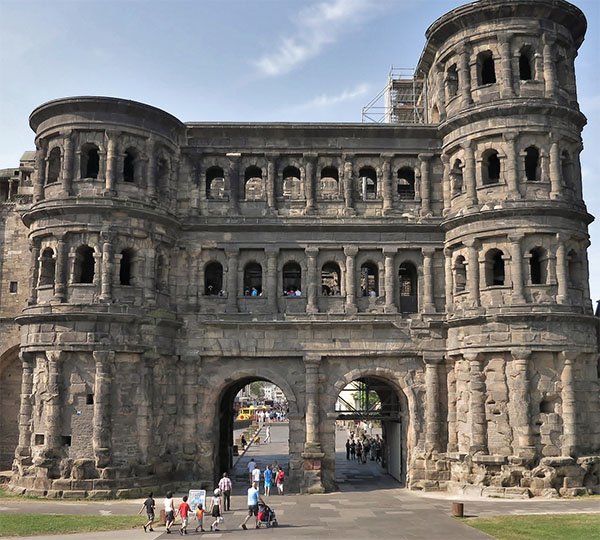
#1 Porta Nigra
Description:
The Porta Nigra, meaning “Black Gate,” is the largest and best-preserved Roman city gate north of the Alps. Built around 170 A.D., the gate was originally one of the four entrances to the Roman city of Augusta Treverorum, as Trier was then called. The dark color of the sandstone from which the gate was built gave it its name in the Middle Ages. Why special:
The Porta Nigra is not only a symbol of Trier, but also an impressive example of Roman architecture and building technology. The gate was turned into a church in the 11th century by a hermit, Simeon, who took up residence there. Emperor Napoleon had the building restored to its original form in the 19th century. Visitors can climb the gate and enjoy stunning views of the city.
These buildings provide a (sometimes even) deep insight into Trier’s history, from Roman antiquity to the Baroque splendor of the Electors. Each building contributes to the unique charm of this historic city.