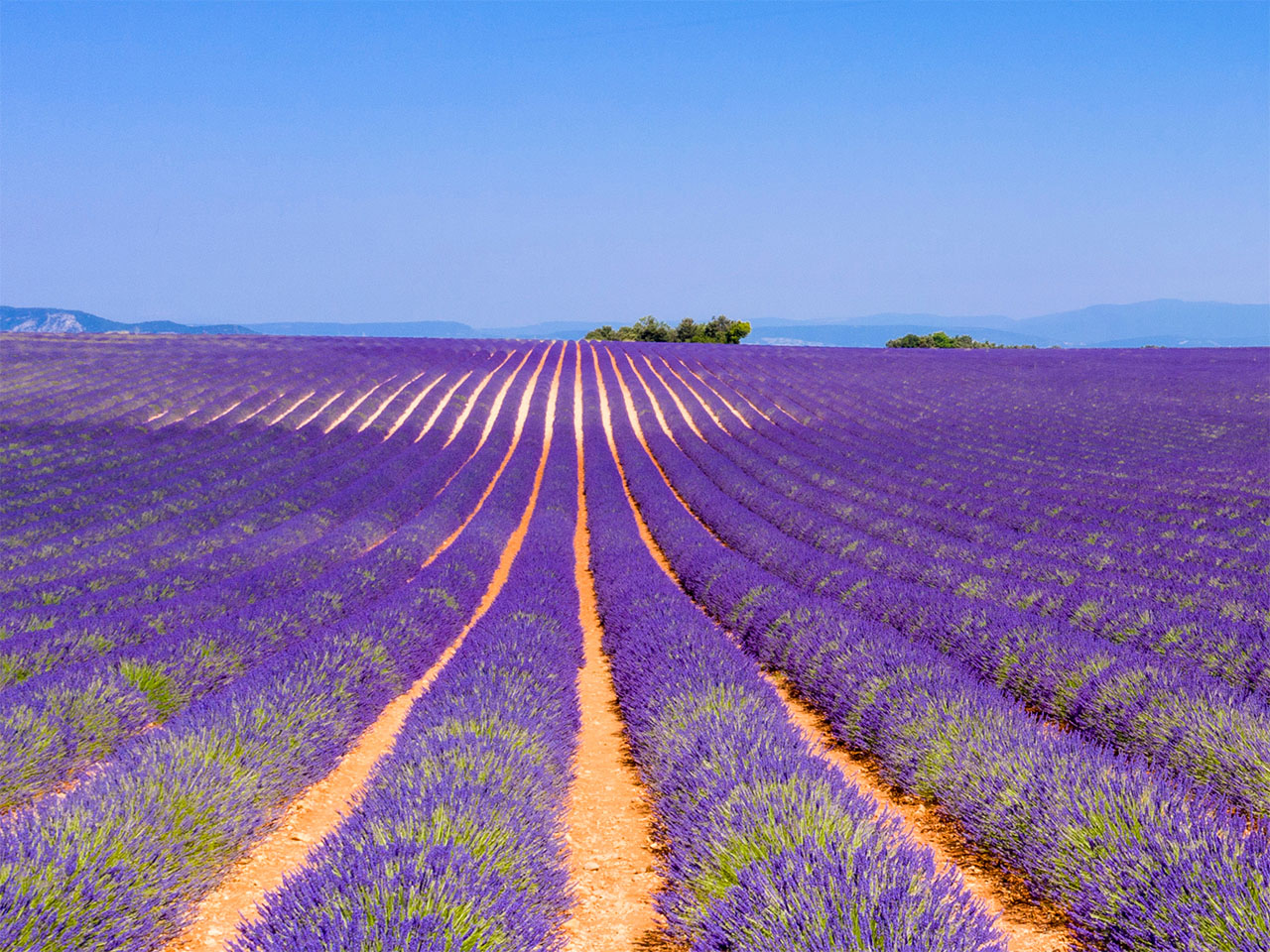
Lavender specialist in Provence!
There are about 40 different species of lavender worldwide. There are 3 species that are most common in Provence. Reading about them is already fun, but how much fun is it to go and discover them for yourself!
#1 Vía Verde de la Sierra
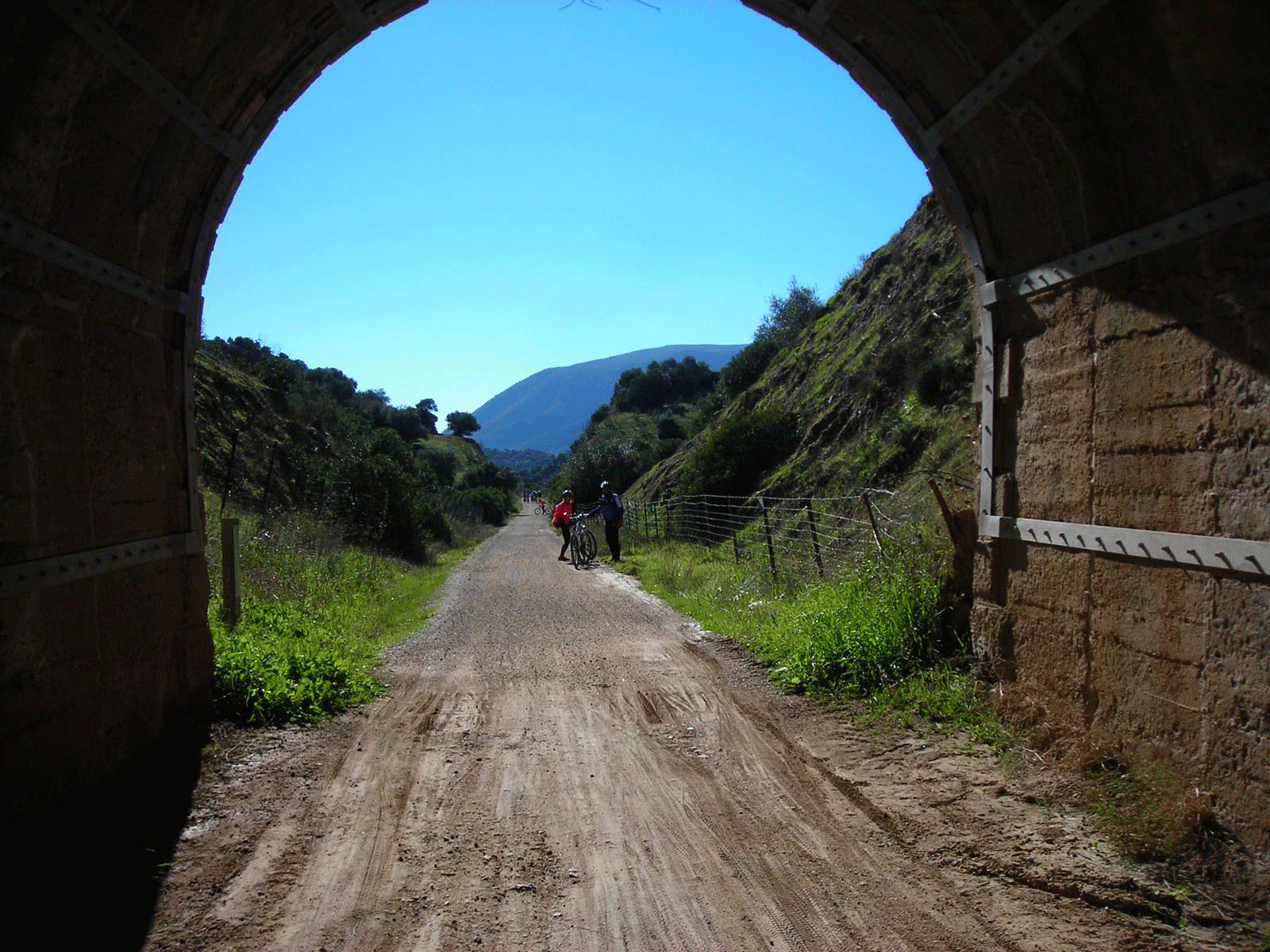
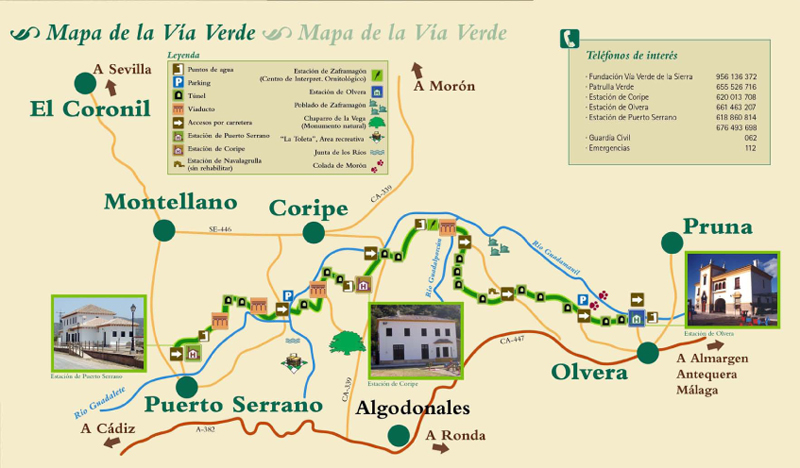
This 36-km route runs between the towns of Olvera and Puerto Serrano in the provinces of Cadiz and Seville. The trail passes through spectacular landscapes, including the Peñón de Zaframagón Nature Reserve, known for its colony of griffon vultures and a good chance you will see them too. Along the way, you will pass impressive viaducts and more than 30 tunnels, such as the nearly 1 km-long Túnel del Castillo. So much for facts… But truly bizarre is the fact that no train has ever run on this route. The construction of this railroad began in 1920 with the intention of connecting the cities of Jerez de la Frontera (Cadiz) and Almargen (Málaga). The economic crisis and civil war between 1936 and 1939 halted construction. By now, 30 tunnels and 4 viaducts and several small stations had been built. After the war, the continuation proved too technically challenging and priorities had now shifted. The route was never completed.
#2 Vía Verde del Tajuña
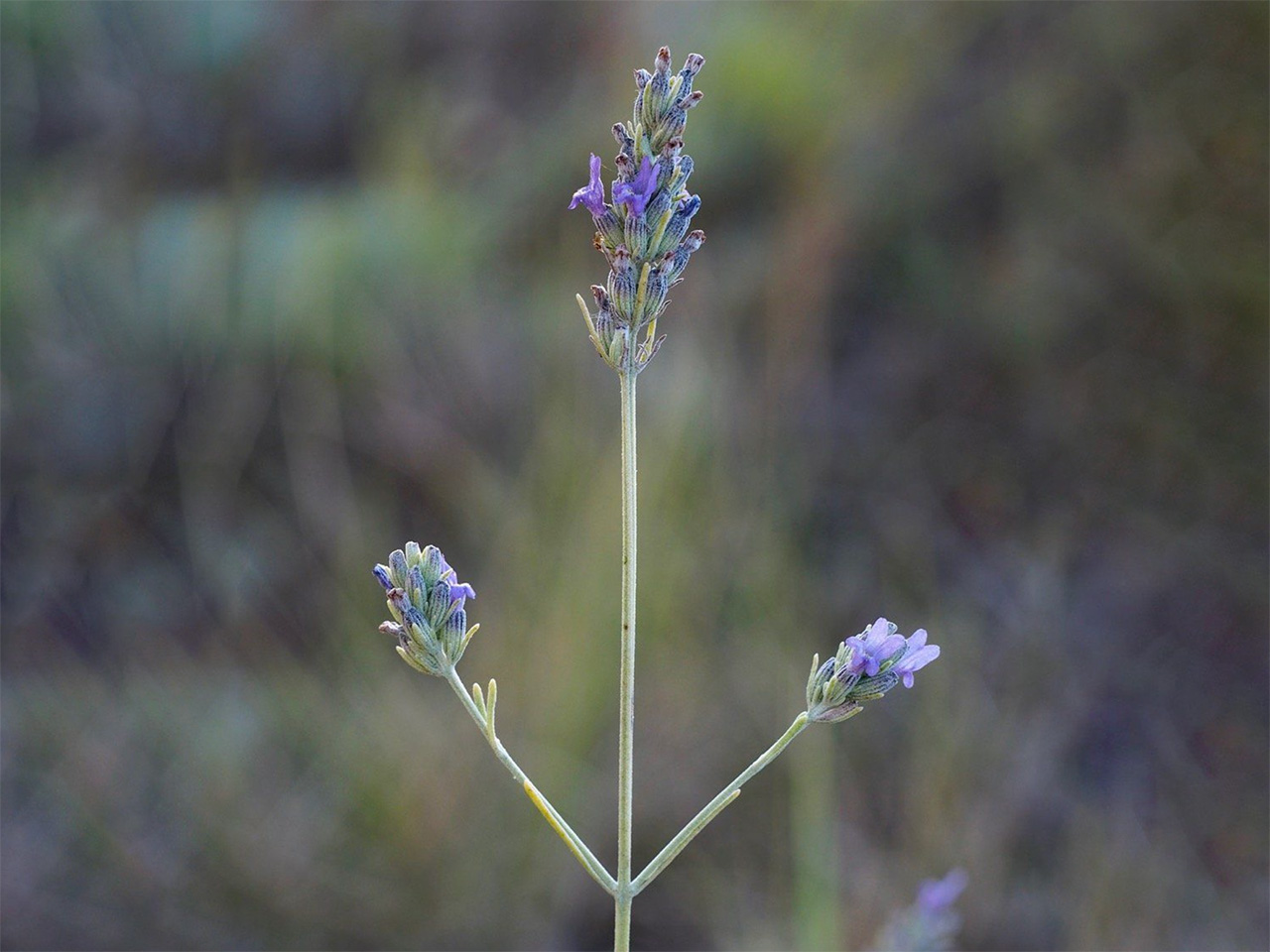
This variety grows at lower altitudes and has broader leaves. Spike lavender is less commonly grown in Provence but is still relatively common….
Characteristics:
- Grows at lower altitudes (below 600 meters) and in warmer areas.
- Has broader leaves and a larger, less dense inflorescence compared to true lavender.
- The smell is stronger, but less refined; often a camphor-like odor is observed.
Applications:
- Used mainly for industrial purposes, such as cleaning products and insect repellents.
- Essential oil of spike lavender has medicinal properties, such as expectorant and anti-inflammatory.
Cultivation:
- Easier to grow and harvest than true lavender.
- Grows well in dry, rocky soils.
#3 Vía Verde de Ojos Negros (Teruel)
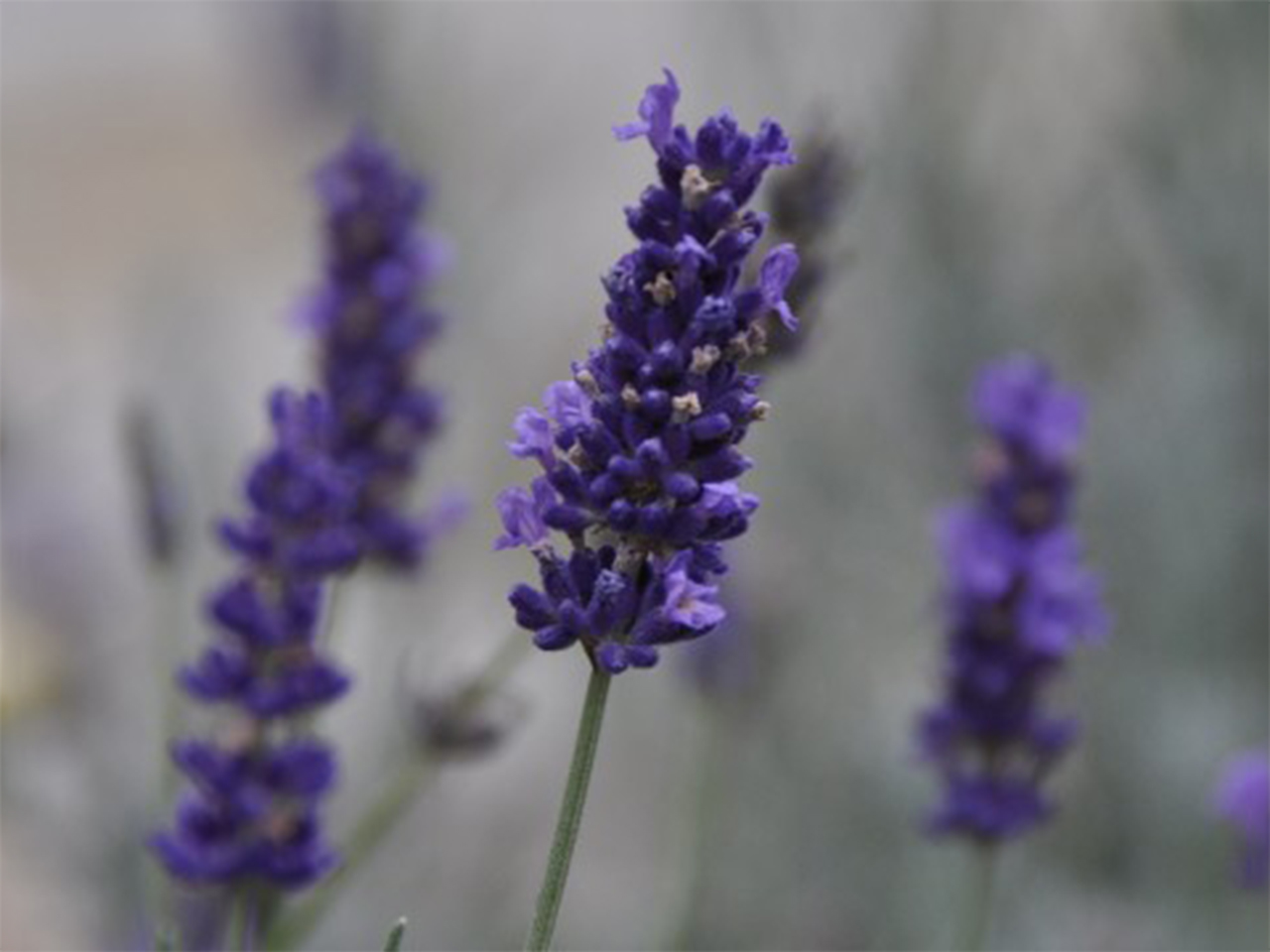
This is a hybrid of true lavender and spike lavender. Lavandin can be recognized by the fact that each sprig has three inflorescences, and the plant and flowers are larger than those of true lavender. Because of its higher yield, lavandin is often used in essential oils and other lavender products.
Characteristics:
- This is a hybrid variety created by crossing true lavender and spike lavender.
- Grows at medium elevations (200-800 meters).
- Larger and more robust plant with long, sturdy stems. Each sprig has three inflorescences instead of one.
- The scent is stronger and less complex than that of true lavender.
Applications:
- Lavandin is mainly used for mass production of fragrance products such as soaps, candles and household sprays.
- Also suitable for essential oil, although the quality is lower than that of true lavender.
Cultivation:
- Much higher yield than true lavender, making it economically advantageous.
- Mechanical harvesting is possible due to the uniform size of the plants.
#4 Vía Verde de Xurra
Want to look for the differences yourself? We have a new cycling vacation in Provence starting in 2025. There you will definitely encounter these species.